Prestes a celebrar 91 anos, a Queen Elizabeth’s School distingue-se pelo ensino bilingue português-inglês desde os primeiros anos de vida. Maria da Conceição de Oliveira Martins, Presidente do Conselho de Administração da Fundação Denise Lester e Membro da Direção Colegial da Queen Elizabeth’s School, destaca a importância de conciliar tradição e inovação, colocando a inclusão, o respeito pela diferença e a formação humana no centro do projeto educativo.
O que distingue o modelo educativo da Queen Elizabeth’s School, particularmente no ensino bilingue?
Esta escola aposta na Educação Pré-Escolar e na valência da Creche, utilizando um sistema de imersão parcial em Inglês, no qual os professores de Inglês e os educadores trabalham em conjunto na sala de aula. Este modelo permite articular as duas línguas, abordando diferentes temas transversais e que fazem parte das orientações pedagógicas para estes níveis de ensino. São utilizados livros de editores portugueses e britânicos para dar a conhecer as tradições, a história e a cultura destes dois países. Para o 1º ciclo do ensino básico é lecionado o currículo oficial português, a par do programa bilingue da Universidade de Cambridge através do programa Cambridge International Education e da Cambridge English, utilizando a metodologia do CLIL – Content and Language Integrated Learning (Aprendizagem Integrada de Conteúdos e de Língua – AICL).
Quais são os benefícios da aprendizagem simultânea de duas línguas desde a infância?
A exposição a duas línguas alarga o vocabulário das crianças e estimula a sua flexibilidade mental. Ao contactarem com estruturas e regras gramaticais diferentes percebem que nem todas as línguas pertencem à mesma família linguística. Nos primeiros anos, é natural que misturem português e inglês, mas, à medida que desenvolvem a capacidade de abstração, aprendem a distinguir as regras gramaticais de cada língua. Esta elasticidade mental facilita a aprendizagem de outros idiomas na idade adulta. Na nossa escola, a aprendizagem bilingue começa na Creche e tem um dos seus momentos altos no 4.º ano de escolaridade, com uma viagem de estudo ao Reino Unido, que permite consolidar conhecimentos linguísticos e contactar diretamente com a cultura britânica.

Como concilia a escola a tradição com as exigências educativas atuais?
Em novembro, celebramos 91 anos de existência. Queremos preservar as tradições portuguesas e inglesas e manter os ideais e projeto educativo da fundadora desta escola Miss Denise Lester, O.B.E. alicerçado nos princípios de humanismo cristão, acompanhando a evolução dos sistemas educativos dos dois países, apostando em novas metodologias pedagógicas. A tradição deve caminhar lado a lado com a aprendizagem ao longo da vida e com a capacidade de adaptação aos novos desafios da sociedade da informação e do conhecimento.
Que importância assume a inclusão no projeto educativo?
A inclusão, a defesa dos direitos da criança e dos direitos humanos sempre fizeram parte da identidade do colégio. Recebemos alunos de diferentes nacionalidades e religiões, procurando integrá-los e respeitar as suas diferenças culturais, garantindo que cada criança se sinta bem e acolhida.
Que desafios se colocam hoje à formação pessoal e social das crianças?
As crianças estão expostas a muita informação desde cedo, o que exige um acompanhamento próximo da escola e da família. Questões como a aparência física, a alimentação e o bom desempenho escolar começam a ganhar importância em idades cada vez mais precoces, podendo afetar a autoestima. Também os fenómenos de bullying exigem uma atenção crescente. Procuramos incutir valores como a generosidade, o voluntariado, a compreensão e a empatia, ensinando as crianças a colocarem-se no lugar do outro. Para isso, é essencial uma relação de confiança e transparência entre a escola e as famílias.
Queen Elizabeth’s School – Denise Lester Foundation91 YEARS OF BUILDING BRIDGES BETWEEN PORTUGUESE AND BRITISH CULTURE
As it approaches its 91st anniversary, Queen Elizabeth’s School stands out for its Portuguese-English bilingual education from the earliest years of childhood. Maria da Conceição de Oliveira Martins, Chair of the Board of Trustees and Member of the Collegiate Board of the Denise Lester Foundation, highlights the importance of balancing tradition and innovation, placing inclusion, respect for diversity and personal development at the heart of the school’s educational ethos.
What distinguishes Queen Elizabeth’s School’s educational model, particularly its bilingual approach?
The school focuses on pre-school education and nursery provision, using a partial immersion approach to English in which English teachers and early years educators work together in the classroom. This model enables the two languages to be integrated through a range of cross-curricular themes that form part of the pedagogical guidelines for these educational stages.
Books published by Portuguese and British publishers are used to introduce children to the traditions, history and culture of both countries. At primary level, pupils follow the official Portuguese curriculum alongside the University of Cambridge’s bilingual programme, through Cambridge International Education and Cambridge English, using the CLIL methodology – Content and Language Integrated Learning.
What are the benefits of learning two languages simultaneously from an early age?
Exposure to two languages broadens children’s vocabulary and stimulates their mental flexibility. By encountering different grammatical structures and rules, they begin to understand that not all languages belong to the same language family. In the early years, it is natural for children to mix Portuguese and English; however, as their capacity for abstract thinking develops, they learn to distinguish between the grammatical rules of each language. This mental flexibility facilitates the learning of other languages in adulthood.
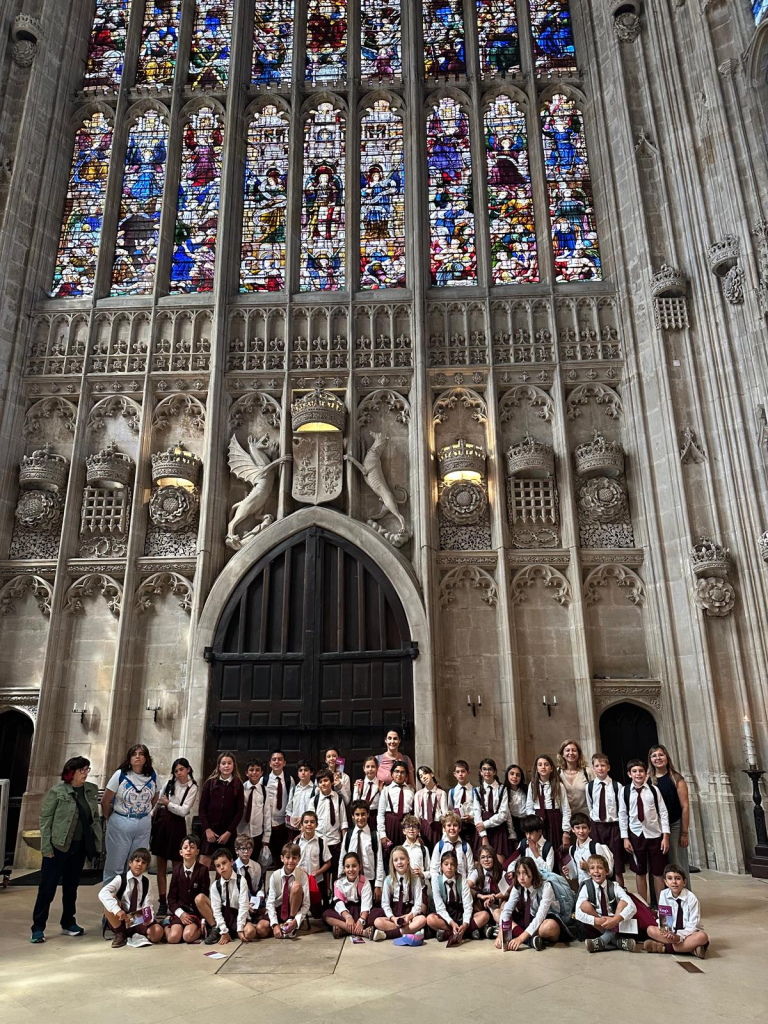
At our school, bilingual learning begins in the nursery and reaches one of its highlights in Year 4, when pupils take part in an educational trip to the United Kingdom. This experience enables them to consolidate their language skills and engage directly with British culture.
How does the school balance tradition with the demands of contemporary education?
In November, we will celebrate 91 years of history. We aim to preserve Portuguese and British traditions and uphold the ideals and educational vision of the school’s founder, Miss Denise Lester, O.B.E., which are rooted in the principles of Christian humanism. At the same time, we keep pace with developments in the education systems of both countries and embrace new teaching methodologies.
Tradition must go hand in hand with lifelong learning and the ability to adapt to the evolving challenges of the information and knowledge society.
How important is inclusion within the school’s educational ethos?
Inclusion, the protection of children’s rights and the promotion of human rights have always been integral to the school’s identity. We welcome pupils of different nationalities and religious backgrounds, seeking to integrate them into the school community while respecting their cultural differences and ensuring that every child feels comfortable and welcome.
What challenges do children face today in their personal and social development?
Children are exposed to vast amounts of information from an early age, making close support from both school and family essential. Issues such as physical appearance, diet and academic performance are becoming important at increasingly young ages and can affect children’s self-esteem. Bullying is another issue that requires growing attention.
We seek to instil values such as generosity, volunteering, understanding and empathy, teaching children to put themselves in other people’s shoes. To achieve this, a relationship of trust and transparency between the school and families is essential.